
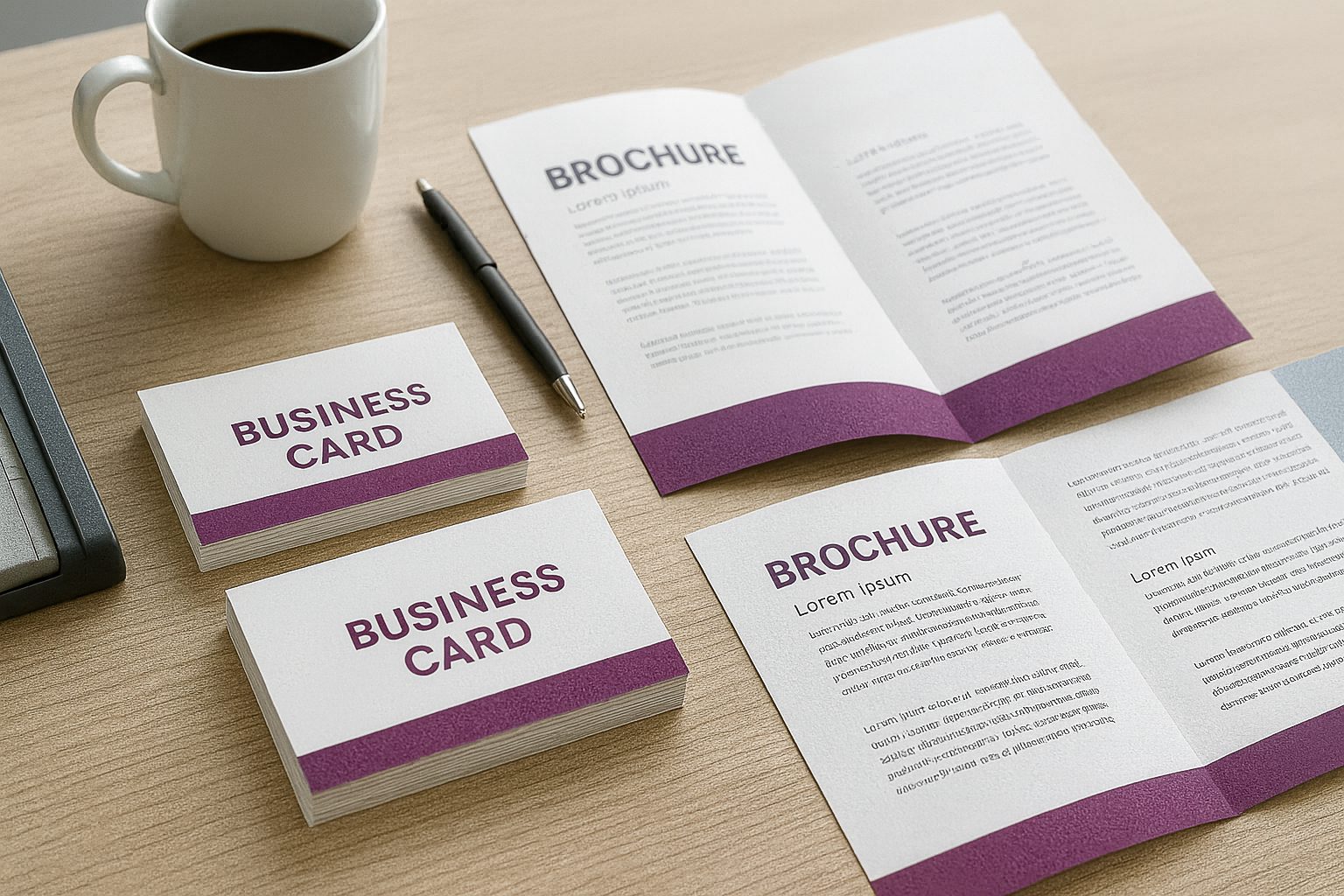
In today’s digital world, printed marketing materials remain a powerful tool for making lasting impressions at trade shows, product launches, and client pitches. While digital marketing dominates much of our communication landscape, the tactile experience of well-designed print materials creates memorable brand interactions that screen-based content simply cannot replicate. For marketing managers and B2B buyers seeking to maximize their impact, understanding what to include in a comprehensive print-ready marketing kit is essential for success.
When working with professional printers in Vancouver, having a strategic approach to your printed materials ensures you get the most value from your investment while creating materials that truly represent your brand’s quality and professionalism.
Why Printed Marketing Materials Still Matter
Despite the rise of digital marketing, printed materials offer unique advantages that complement your overall marketing strategy. Physical materials engage multiple senses, creating stronger memory associations and building trust through tangible brand experiences. At trade shows and business meetings, printed materials serve as lasting reminders of your conversation long after the digital screens have been turned off.
Professional printing quality also communicates credibility and attention to detail. When potential clients or partners receive beautifully crafted printed materials, they associate that quality with your brand’s overall standards and reliability.
Essential Components of Your Print Marketing Kit
Business Fundamentals
Business Cards and Contact Materials
Your business cards remain the cornerstone of professional networking. However, modern business cards should go beyond basic contact information. Consider including QR codes that link to your digital portfolio, social media profiles, or special landing pages. Premium cardstock and finishing options like spot UV coating or embossing can make your cards more memorable and reinforce your brand’s quality standards.
Complementary contact materials might include networking folders that hold your business card along with other key pieces, creating a cohesive presentation package for important meetings.
Letterheads and Stationery
Professional letterheads and matching envelopes establish credibility in formal communications. Even in our digital age, certain business situations still require printed correspondence, and having professionally designed stationery ensures your brand maintains consistency across all touchpoints.
Consider creating multiple letterhead variations for different purposes: formal business communications, thank you notes, and internal memos. This approach allows you to maintain brand consistency while adapting to various communication needs.
Marketing Collateral
Brochures and Informational Materials
Brochures serve as comprehensive information packages that prospects can review at their own pace. Unlike digital content that might be quickly scrolled through, printed brochures encourage thorough reading and consideration. Design your brochures with clear sections that guide readers through your value proposition, services, and contact information.
Tri-fold brochures work well for service-based businesses, while larger format brochures or booklets better suit companies with extensive product lines. Consider your distribution method when choosing formats: will these be mailed, handed out at events, or displayed in waiting areas?
Flyers and One-Sheets
For quick information sharing, flyers and one-sheets provide essential details in an easily digestible format. These materials work particularly well for event promotion, special offers, or product announcements. The key to effective flyers is focusing on one primary message while maintaining visual appeal and brand consistency.
Design flyers with clear hierarchy: headline, key benefits, and call to action should be immediately apparent. Consider seasonal or time-sensitive designs that create urgency while maintaining your brand’s professional appearance.
Presentation Materials
Presentation Folders
Professional presentation folders elevate your pitch materials and create organized, impressive packages for important meetings. These folders should accommodate your key documents while reinforcing your brand identity through custom design and high-quality printing.
Include pockets for business cards, USB drives, or small promotional items. The folder itself becomes a branded item that clients will likely keep and reference, extending your brand’s presence beyond the initial meeting.
Sell Sheets and Product Information
Detailed product or service information sheets provide the technical details that decision-makers need for informed purchasing decisions. These materials should balance comprehensive information with visual appeal, using charts, graphs, and imagery to make complex information accessible.
Consider creating modular sell sheets that can be combined for different presentation scenarios. This approach allows you to customize your materials for specific audiences without requiring entirely new designs for each situation.
Trade Show and Event Materials
Banners and Signage
Large format printing for banners and signage creates visual impact at trade shows and events. These materials should be designed for visibility from a distance while maintaining readability up close. Consider the typical viewing distances and lighting conditions of your target venues when designing these pieces.
Retractable banner stands offer portability and professional appearance, while larger backdrop displays create impressive booth presentations. Coordinate your signage designs with your other printed materials to create cohesive brand experiences.
Promotional Items and Giveaways
Printed promotional items extend your brand’s reach beyond the initial interaction. Choose items that align with your audience’s needs and preferences while providing ongoing brand exposure. Popular options include branded notebooks, pens, tote bags, and tech accessories.
The key to successful promotional items is selecting products that recipients will actually use. Consider your target audience’s daily routines and choose items that naturally integrate into their work or personal lives.
Specialty Publications
Magazines and Catalogs
For companies with extensive product lines or complex services, magazines and catalogs provide comprehensive showcases that customers can reference repeatedly. These publications require careful planning and design to organize information logically while maintaining visual interest throughout.
Consider seasonal catalogs that highlight relevant products or services, or create educational magazines that position your company as an industry thought leader. Both approaches provide value to recipients while promoting your offerings.
Annual Reports and Case Studies
Professional annual reports and detailed case studies demonstrate your company’s success and expertise. These materials require sophisticated design and high-quality printing to reflect the important information they contain.
Case studies should tell compelling stories about client success while highlighting your role in achieving those results. Use visual elements like charts, photographs, and testimonials to make these stories engaging and credible.
Planning Your Print Marketing Kit Budget
Cost Considerations
When planning your print marketing kit budget, consider both immediate costs and long-term value. While high-quality printing requires upfront investment, professional materials often provide better return on investment through improved response rates and stronger brand perception.
Work with experienced commercial printers to understand how quantity, paper choices, and finishing options affect pricing. Often, printing larger quantities reduces per-unit costs significantly, making it worthwhile to plan ahead for your material needs.
Quantity Planning
Estimate your material needs based on upcoming events, sales activities, and general business development efforts. Consider seasonal fluctuations in your marketing activities and plan printing schedules accordingly.
Most professional printers offer storage services for larger orders, allowing you to benefit from quantity pricing while receiving materials as needed. This approach helps manage cash flow while ensuring you always have fresh, professional materials available.
Quality Standards and Brand Consistency
Paper and Finishing Options
The quality of paper and finishing options significantly impacts how your materials are perceived. Heavier paper stocks convey quality and durability, while specialty finishes like UV coating or embossing add tactile interest and premium feel.
Consider your brand personality when selecting these options. Conservative industries might prefer subtle, elegant finishes, while creative fields can embrace more distinctive options that showcase innovation and creativity.
Color Management and Brand Standards
Consistent color reproduction across all printed materials reinforces brand recognition and professionalism. Work with printers who use color management systems and can match your brand colors accurately across different materials and printing runs.
Provide your printer with comprehensive brand guidelines that include Pantone color specifications, acceptable color variations, and examples of proper logo usage. This investment in preparation pays dividends in consistent, professional results.
Distribution and Storage Strategies
Organizing Your Materials
Develop systems for organizing and distributing your printed materials efficiently. Consider creating presentation kits for different scenarios: new client meetings, trade show interactions, and follow-up communications.
Digital asset management systems can help track which materials are used most frequently and when reprints are needed. This data helps optimize your printing schedules and budgets over time.
Maintaining Freshness
Printed materials should always reflect current information and branding. Establish review schedules to ensure contact information, pricing, and company messaging remain accurate and relevant.
Consider modular designs that allow you to update specific sections without reprinting entire pieces. This approach reduces waste and costs while keeping your materials current.
Integration with Digital Marketing
Your printed materials should complement and enhance your digital marketing efforts, not compete with them. Include QR codes, social media handles, and website URLs that drive traffic to your digital platforms while providing immediate value through the printed piece.
Consider how printed materials can support your content marketing strategy by repurposing blog posts, case studies, and other digital content into attractive printed formats that reach different audiences through different channels.
According to the Direct Marketing Association, integrated marketing campaigns that combine print and digital elements typically achieve higher response rates than single-channel approaches, demonstrating the continued value of printed materials in comprehensive marketing strategies.
Measuring Success and ROI
Track the effectiveness of your printed materials through unique URLs, promotional codes, or direct response mechanisms. This data helps optimize future printing decisions and demonstrates the value of your investment in professional printed materials.
Consider conducting surveys or informal feedback sessions to understand how recipients perceive and use your printed materials. This qualitative feedback often reveals opportunities for improvement that quantitative data might miss.
Conclusion
A well-planned print marketing kit remains an essential tool for modern businesses seeking to make lasting impressions and build meaningful professional relationships. By carefully selecting appropriate materials, maintaining high quality standards, and integrating printed pieces with your overall marketing strategy, you create powerful brand experiences that digital communications alone cannot achieve.
Working with experienced commercial printers ensures your materials reflect the professionalism and quality your brand represents. From business cards to comprehensive catalogs, each piece of your print marketing kit should contribute to a cohesive brand experience that builds trust and drives business results.
Ready to create professional printed marketing materials that elevate your brand and drive results? Contact our team today to discuss your printing needs and discover how quality printed materials can enhance your marketing success.