When your products face constant exposure to water, humidity, or condensation, standard labels simply won’t cut it. Whether you’re packaging bath products, bottling beverages, or labeling industrial equipment in wet conditions, waterproof labels are essential for maintaining brand integrity and product information legibility. For businesses in British Columbia and beyond, understanding how to design labels that withstand moisture is critical to product success.
At Royal Printers, we specialize in creating durable, custom label solutions that perform beautifully even in the most challenging environments. This guide walks you through the functional design considerations that matter most when creating labels for water-heavy industries.
Why Waterproof Labels Matter
Labels serve multiple purposes: they convey your brand identity, provide essential product information, ensure regulatory compliance, and protect consumer safety. When labels peel, fade, or become illegible due to moisture exposure, you risk more than just aesthetic problems. You face potential liability issues, customer dissatisfaction, and damaged brand reputation.
Industries that particularly benefit from waterproof labels include:
- Bath and body product manufacturers
- Beverage companies (bottled water, juice, beer, wine)
- Marine and fishing equipment suppliers
- Pool and spa chemical producers
- Refrigerated and frozen food packaging
- Industrial cleaners and automotive fluids
- Outdoor recreational products
Material Selection: The Foundation of Water Resistance
The first critical decision in designing waterproof labels involves selecting the right material. Not all label substrates handle moisture equally, and your choice directly impacts label longevity and performance.
Synthetic Materials
Polypropylene (PP) and polyester (PET) films are the gold standards for waterproof applications. These synthetic materials offer inherent water resistance and exceptional durability. Polypropylene provides flexibility and works well for squeezable bottles, while polyester delivers superior temperature resistance and works beautifully for premium applications.
Vinyl labels offer outstanding conformability and are ideal for irregular surfaces. They resist water, oils, and many chemicals, making them perfect for harsh industrial environments.
Paper Alternatives
While traditional paper labels aren’t waterproof, specialized papers treated with waterproof coatings can work in mildly damp conditions. However, for true water immersion or heavy condensation, synthetic materials remain the superior choice.
Adhesive Technology: What Keeps Your Labels Stuck
Even the best label material fails if the adhesive can’t maintain its grip in wet conditions. Working with a custom label printer experienced in waterproof applications ensures you get the right adhesive specification.
Permanent vs. Removable Adhesives
Permanent adhesives create strong bonds that resist water, temperature fluctuations, and time. These work best for products where labels should never be removed, such as beverage bottles or safety warning labels.
Removable adhesives allow for clean removal without residue but still maintain their hold in wet environments. These suit applications like reusable containers or temporary identification labels.
Specialty Adhesive Considerations
For extreme moisture exposure, consider:
- Aggressive adhesives that bond to difficult surfaces like textured plastics or low-surface-energy materials
- Marine-grade adhesives designed for saltwater environments
- Freezer-grade adhesives that maintain performance at sub-zero temperatures with condensation
Printing Methods That Stand Up to Water
The printing technology you choose significantly impacts how well your labels resist moisture. Understanding these options helps you make informed decisions about your label printing BC needs.
Digital Printing
Digital printing technology has advanced considerably and now offers excellent water resistance when paired with the right materials and finishing options. It provides cost-effective short runs and quick turnarounds, making it ideal for businesses testing new products or running seasonal promotions.
Flexographic Printing
Flexographic printing remains a workhorse for high-volume label production. When combined with UV-curable inks, flexo printing delivers exceptional water and chemical resistance suitable for the most demanding applications.
Screen Printing
For specialized industrial applications requiring extreme durability, screen printing with specialized inks provides unmatched resistance to water, chemicals, and abrasion.
Protective Finishes and Coatings
Even with waterproof materials and appropriate printing methods, adding a protective finish provides an extra layer of defense against moisture.
Lamination Options
Gloss lamination enhances colors and provides a shiny, premium appearance while creating a waterproof barrier. Matte lamination offers a sophisticated look with reduced glare, equally waterproof but with a different aesthetic. Soft-touch lamination combines waterproofing with a luxurious tactile experience, perfect for premium bath and beauty products.
Varnishes and Coatings
UV varnishes cure instantly and provide excellent moisture resistance along with scratch protection. Aqueous coatings offer a more environmentally friendly option with good water resistance for moderate exposure. Overlaminate films provide the highest level of protection for labels facing extreme conditions.
Design Considerations for Wet Environments
Beyond materials and processes, smart design choices improve label performance in moist environments.
Information Hierarchy
Place the most critical information where it’s least likely to experience direct water contact. On beverage bottles, for example, position regulatory information and ingredients away from the bottom where condensation accumulates.
Color and Contrast
Moisture can temporarily alter label appearance. Using high-contrast color combinations ensures readability even when wet. Dark text on light backgrounds or vice versa maintains legibility better than subtle color variations.
Typography Choices
Select fonts with adequate weight and spacing. Thin, delicate typefaces may become illegible when moisture affects the label surface. Sans-serif fonts generally maintain better readability in challenging conditions than ornate scripts.
Avoiding Sharp Corners
Labels with rounded corners resist peeling better than those with sharp corners. Water tends to work its way under corners and edges, so gentle curves improve adhesion longevity.
Industry-Specific Considerations
Bath and Body Products
Labels for soaps, shampoos, and lotions face constant water exposure and handling with wet hands. Beyond waterproofing, these labels should include:
- Clear ingredient listings for regulatory compliance
- Usage instructions that remain legible when wet
- Brand elements that maintain visual appeal in bathroom environments
Product labels for this industry often benefit from spot UV coatings that highlight brand names while providing protection.
Beverage Industry
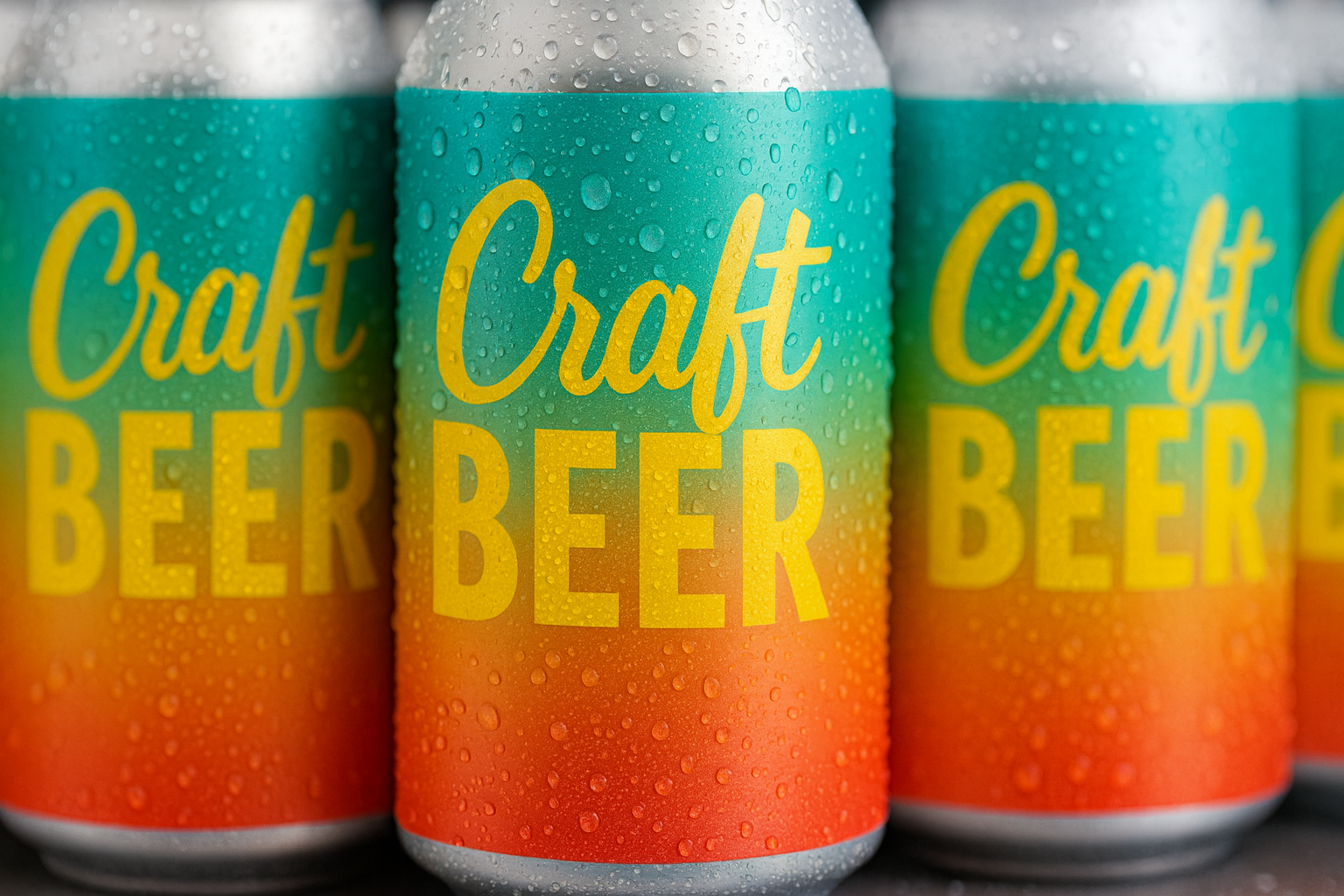
Beverage labels encounter ice buckets, refrigeration condensation, and sometimes full submersion. Consider:
- Moisture-resistant adhesives that perform in cold, wet conditions
- Materials that don’t become slippery when wet
- Print processes that won’t bleed or fade with water contact
Industrial Applications
Industrial labels in wet environments need extreme durability. These often require:
- Chemical resistance in addition to water resistance
- Ability to withstand pressure washing
- Long-term outdoor exposure resistance
- Compatibility with safety and regulatory standards
Working with a Professional Label Printer
Choosing the right partner for your waterproof label needs makes all the difference. A professional label printing BC provider brings expertise in material science, adhesive technology, and printing processes that ensure your labels perform reliably.
Look for providers who offer:
- Material and adhesive recommendations based on your specific application
- Prototyping and testing services before full production
- Quality control processes that ensure consistent results
- Technical support to address challenges as they arise
- Flexible order quantities that accommodate your business needs
Frequently Asked Questions
Q: How long do waterproof labels last?
A: With proper material selection and application, waterproof labels can last several years, even with constant moisture exposure. Lifespan depends on specific environmental conditions, but quality waterproof labels typically outlast the product they’re attached to.
Q: Are waterproof labels more expensive than regular labels?
A: Waterproof labels typically cost more due to specialized materials and processes, but the investment prevents costly label failures, product recalls, and brand damage. For water-exposed products, they’re essential rather than optional.
Q: Can waterproof labels be made eco-friendly?
A: Yes! Many waterproof label materials now include recycled content or are fully recyclable. Some synthetic materials are also biodegradable. Discuss sustainability goals with your label printer to find environmentally responsible options that still meet performance requirements.
Q: Do waterproof labels work in freezer conditions?
A: Waterproof labels can work in freezers, but require specific adhesives rated for freezer applications. Standard waterproof labels may fail in sub-zero temperatures, so always specify freezer use when ordering.
Q: How do I remove waterproof labels if needed?
A: Removal depends on the adhesive type. Permanent waterproof adhesives resist removal by design. Removable waterproof adhesives allow clean removal, though they may require heat from a hair dryer to soften the adhesive first.
Ready to Create Labels That Last?
Designing labels for moist environments requires expertise in materials, adhesives, printing processes, and protective finishes. The right waterproof labels protect your brand, ensure regulatory compliance, and deliver the professional appearance your products deserve.
At Royal Printers, we combine decades of experience with cutting-edge technology to create custom waterproof labels that perform flawlessly in the most challenging conditions. Whether you need product labels for bath products, beverage labels that withstand ice buckets, or industrial labels for demanding applications, we have the expertise to deliver exceptional results.
Don’t risk label failure on your valuable products. Contact us today to discuss your waterproof label needs and receive expert recommendations tailored to your specific application. Our team is ready to help you create labels that look great and perform even better, no matter how wet things get.