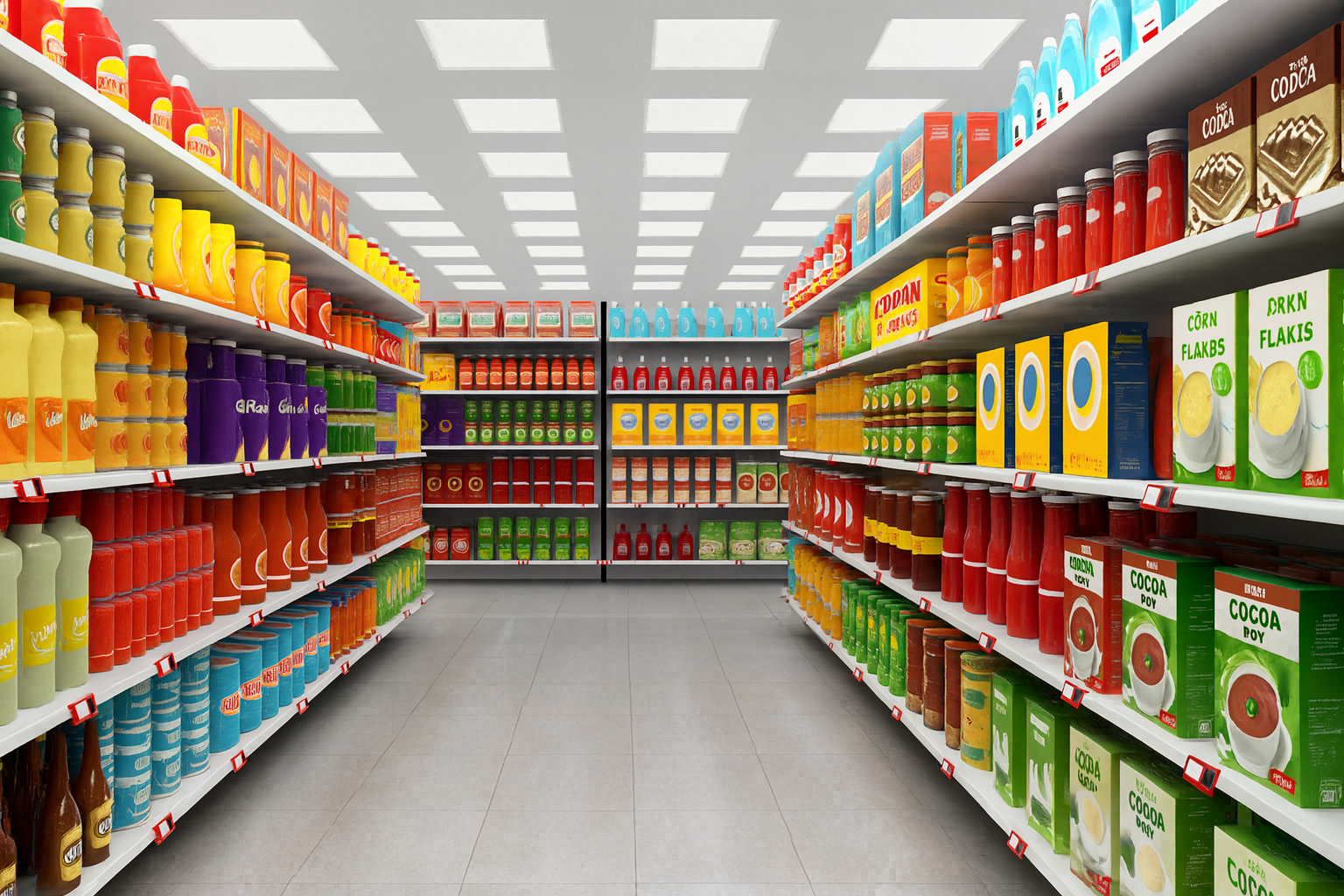
When you walk down any retail aisle, the most successful brands share one thing in common: their products are instantly recognizable, even from a distance. This visual consistency isn’t accidental. It’s the result of strategic, cohesive label design that ties an entire product line together while allowing each SKU to maintain its unique identity.
For marketing managers and business owners looking to strengthen their brand presence, mastering cohesive label design is essential. Whether you’re launching a new product line or refreshing an existing one, a unified approach to product labels can significantly impact customer recognition, trust, and ultimately, sales.
Why Cohesive Label Design Matters
Your product labels serve as silent salespeople on the shelf. When customers can immediately identify your brand family, they’re more likely to trust new products and make repeat purchases. Cohesive design creates a professional image that signals quality and reliability to B2B buyers and end consumers alike.
According to Statistics Canada, brand recognition plays a crucial role in purchasing decisions across all market segments. A well-branded product line communicates that your company is established, organized, and committed to quality.
Establishing Your Visual Brand Foundation
Before diving into individual label designs, you need to establish the core visual elements that will appear across your entire product line. This foundation ensures consistency while providing flexibility for different products.
Define Your Core Brand Elements
Start by identifying the non-negotiable elements that must appear on every label:
- Logo placement and size: Determine where your logo will appear and establish minimum size requirements for visibility
- Brand colors: Select primary and secondary colors with specific color codes (Pantone, CMYK, RGB) for consistent reproduction
- Typography: Choose 2 to 3 font families that reflect your brand personality
- Visual style: Decide whether your aesthetic is minimalist, vintage, modern, organic, or another style
- Brand voice: Establish tone guidelines for any text that appears on labels
These elements form the backbone of your custom label design strategy.
Create a Brand Style Guide
Document everything in a comprehensive style guide that your design team, printers, and stakeholders can reference. This guide should include:
- Color specifications and approved combinations
- Logo usage rules and clear space requirements
- Typography hierarchy and approved fonts
- Image style guidelines
- Spacing and layout principles
- Examples of correct and incorrect usage
Building a Flexible Label System
The key to successful product line branding is creating a system that’s both consistent and flexible. You want customers to recognize the family relationship between products while still being able to differentiate between variants.
Use a Modular Design Approach
Think of your label design as having fixed and variable components:
Fixed Components (Appear on Every Label):
- Brand logo and name
- Overall layout structure
- Core color palette
- Typography system
- Border or frame elements
Variable Components (Change by Product):
- Product name or variant
- Flavor, scent, or color indicators
- Product-specific images or icons
- Individual product descriptions
- SKU-specific regulatory information
Color Coding for Product Differentiation
One of the most effective ways to maintain cohesion while differentiating products is through strategic color coding. Choose one element (such as a banner, background section, or accent color) that changes across products while keeping the rest of the design consistent.
For example, a skincare line might use the same label template with different colored accents: blue for hydrating products, green for purifying items, and pink for anti-aging treatments. This allows customers to quickly identify product types while still recognizing the brand family.
Maintaining Consistency Across Different Label Sizes
Many product lines include items of varying sizes, from small sample sizes to bulk containers. Your print solutions need to accommodate this variety while maintaining brand integrity.
Scalable Design Principles
- Prioritize information hierarchy: Decide what must appear at every size and what can be omitted on smaller labels
- Test at actual size: Always review designs at the printed size, not just on screen
- Maintain proportions: Keep the relationship between elements consistent even when scaling
- Adjust complexity: Simpler designs often work better for smaller labels
Size-Specific Adaptations
Create label variations for different product sizes:
| Label Size | Required Elements | Optional Elements |
| Small (under 2″) | Logo, product name, key regulatory info | Full descriptions, usage instructions |
| Medium (2″ to 4″) | Logo, product name, variant, basic description, regulatory info | Extended descriptions, brand story |
| Large (over 4″) | All brand elements, full descriptions, usage instructions | QR codes, additional imagery, brand narrative |
Working with Professional Printing Partners
Achieving truly cohesive labels requires more than good design. You need a printing partner who understands brand consistency and can deliver reliable results across different production runs.
When selecting a printing partner like Royal Printers, consider these factors:
- Color matching capabilities: Can they match your brand colors precisely across different materials and print runs?
- Material options: Do they offer the substrates that align with your brand positioning?
- Finishing options: Are specialty finishes like foil stamping, embossing, or spot UV available?
- Quality control processes: How do they ensure consistency between orders?
- Proofing systems: Can you review physical samples before full production?
Adapting Your Design for Different Product Categories
Sometimes a single product line expands into different categories (for example, food products expanding into beverages). You need to adapt while maintaining brand recognition.
Strategic Evolution Guidelines
- Keep core brand elements: Logo, primary colors, and typography should remain consistent
- Adjust proportions: Different product categories may require different information hierarchies
- Update imagery appropriately: Photos or illustrations should reflect the new category while matching the established style
- Maintain the overall feel: The emotional response to the label should be consistent
Quality Control and Brand Consistency Audits
Even with perfect initial designs, consistency can drift over time. Regular audits help maintain standards.
Conduct Regular Reviews
Schedule quarterly reviews of your product labels to check for:
- Color accuracy across different production runs
- Adherence to spacing and sizing specifications
- Correct logo usage
- Typography consistency
- Overall visual harmony across the product line
Create Approval Processes
Establish clear approval workflows before any label goes to print:
- Design team creates or updates label
- Brand manager reviews for consistency
- Marketing reviews for messaging accuracy
- Compliance reviews for regulatory requirements
- Final stakeholder approval
- Print production and quality check
Frequently Asked Questions
How many products should I launch at once when creating a new product line?
Start with 3 to 5 core products that demonstrate your design system. This gives customers enough variety to see the family resemblance while not overwhelming your production and quality control processes.
Should all products in a line use the same label material?
Generally yes, for consistency in look and feel. However, functional requirements (waterproof, freezer-safe, etc.) may necessitate different materials. In these cases, work with your printing partner to match the appearance as closely as possible.
How do I handle seasonal or limited edition products within my line?
Create a variation of your standard template that clearly signals the special nature (special badge, metallic accents, seasonal colors) while maintaining your core brand elements. This creates excitement while preserving brand recognition.
When should I update my label design system?
Consider refreshes every 3 to 5 years, or when expanding into new markets, responding to significant competitor changes, or addressing customer feedback. Always evolve rather than completely reinvent to maintain equity in your existing brand recognition.
How can I test label designs before committing to full production?
Request physical mockups or samples from your printer. Test them in actual retail conditions, get feedback from your target audience, and review them next to competitor products on shelves.
Take the Next Step in Your Product Line Branding
Creating cohesive label design across an entire product line requires strategic planning, attention to detail, and the right printing partnership. When executed well, it transforms individual products into a powerful brand family that commands attention and builds customer loyalty.
Ready to elevate your product line with professional, cohesive label design? The team at Royal Printers specializes in helping businesses like yours create stunning, consistent product labels that strengthen brand recognition and drive sales. Contact us today to discuss your project and discover how we can bring your vision to life.